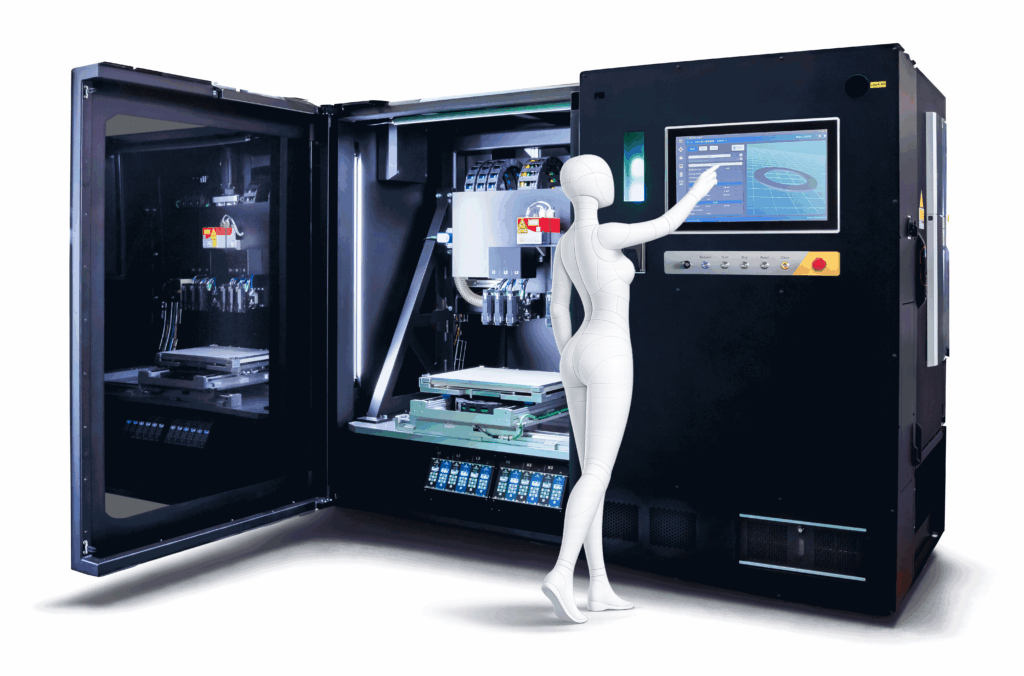

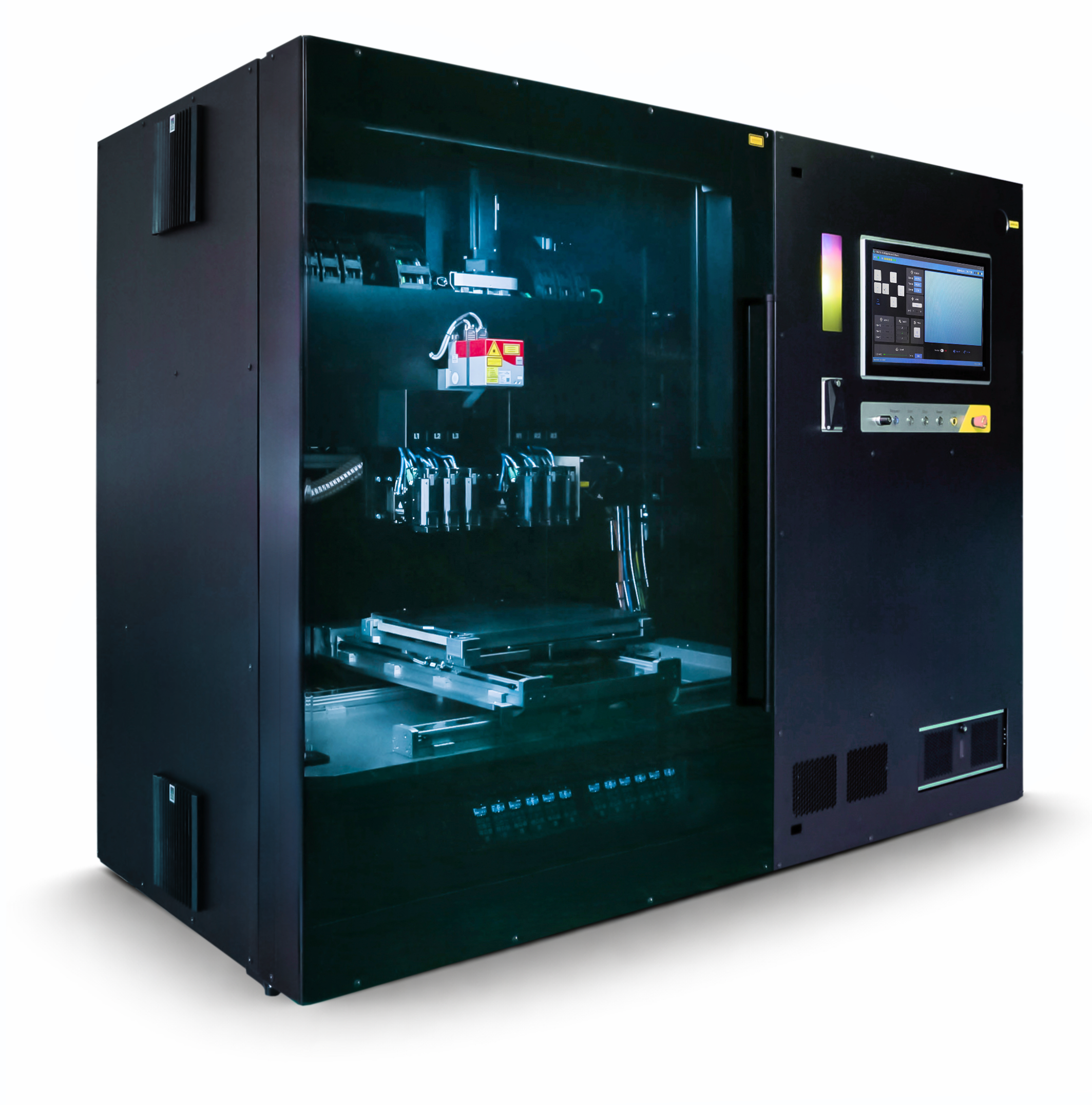
The MMJ ProX is an industrial multi-material 3D printer that enables the production of high-performance components by combining ceramics, metals, and other materials within a single system.
What it is
Industrial multi material 3D printer for functional high performance parts in one build. Designed for reliable industrial use from prototype work to production runs.
Technology
Multi Material Jetting with drop by drop deposition for complex geometries and multi material design. Built for high performance ceramics and metals.
Hybrid capability
Optional in-line fiber laser processing precise structuring. This reduces finishing effort and helps achieve clean functional surfaces.
Why it matters
Integrated-function parts manufactured in fewer process steps, including conductive and insulating zones with graded transitions, resulting in reduced assembly effort and fewer interfaces in the final component.
Made in Germany
Engineered and built in Germany in Dresden with precision and reliability. Modular platform supports upgrades and long term machine evolution.
Material freedom
Ceramics and metals portfolio plus BYOP options to qualify your own powders for your application. Material strategies can be tailored to your performance goals.
From lab to fab
Feasibility support prototypes and demo parts plus production ramp guidance. Service options include inspection maintenance and upgrade pathways.
A Modular Manufacturing System
Designed to scale from additive build-up to precision finishing and full process control.
Precision Print Heads
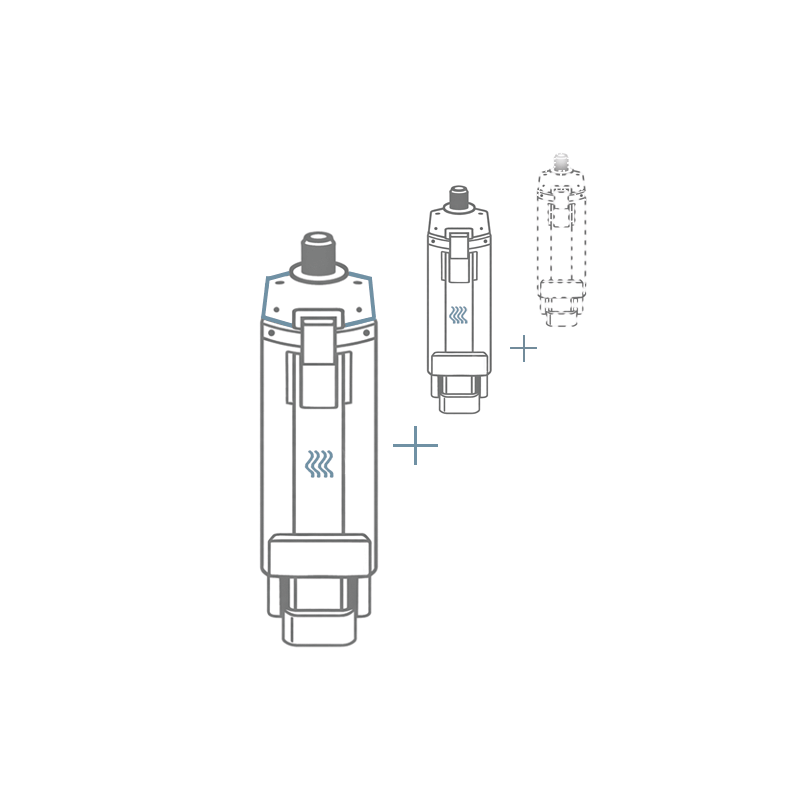
Pneumatic jetting print heads support precise material drop deposition.
+
Modular configurations allow up to six heads with quick-release interfaces for fast material and nozzle changes.
High-quality Motion System
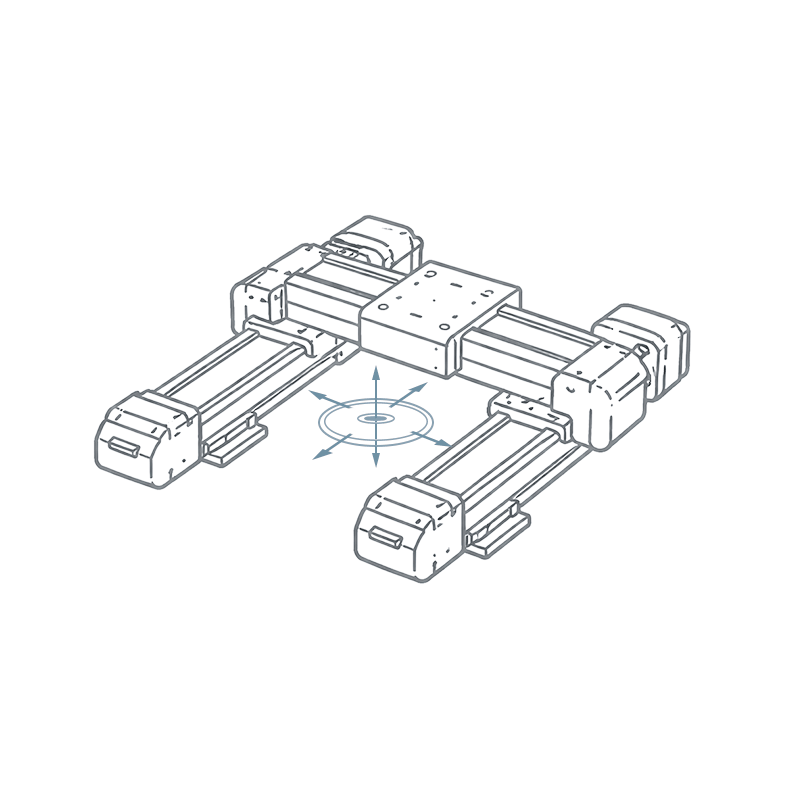
Rapid and precise movement in all three axes. X-, Y, and Z- direction.
+
A 20 µm accuracy level per X- and Y-axis, and 20 µm Z positioning.
Temperature-Controlled Plate
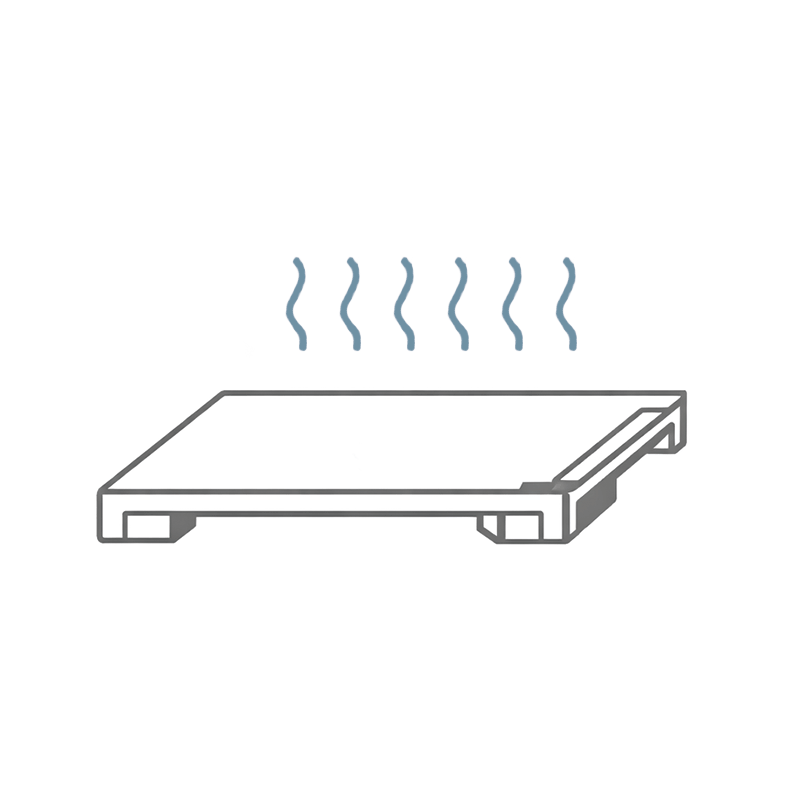
Thermally controlled build platform
(530 × 300 mm).
+
Prevents part tension, rapid-release minimizes setup time, and the integrated analysis zone ensures reliable printing.
Service and Dosing Station
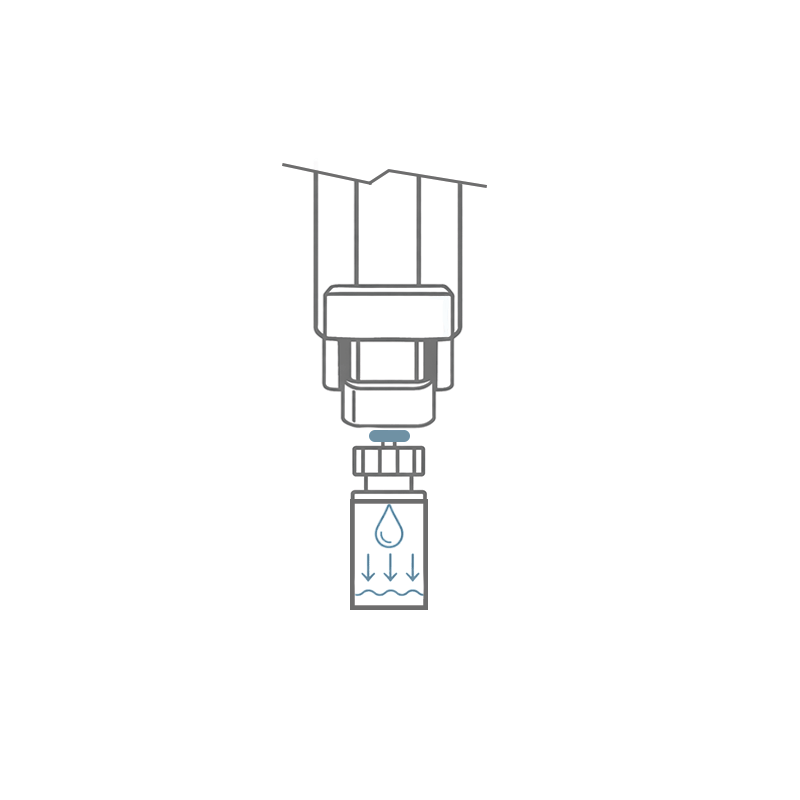
Automated service stations maintain print head performance.
+
Controlled purging and cleaning cycles with minimal consumption.
Digital Control Interface

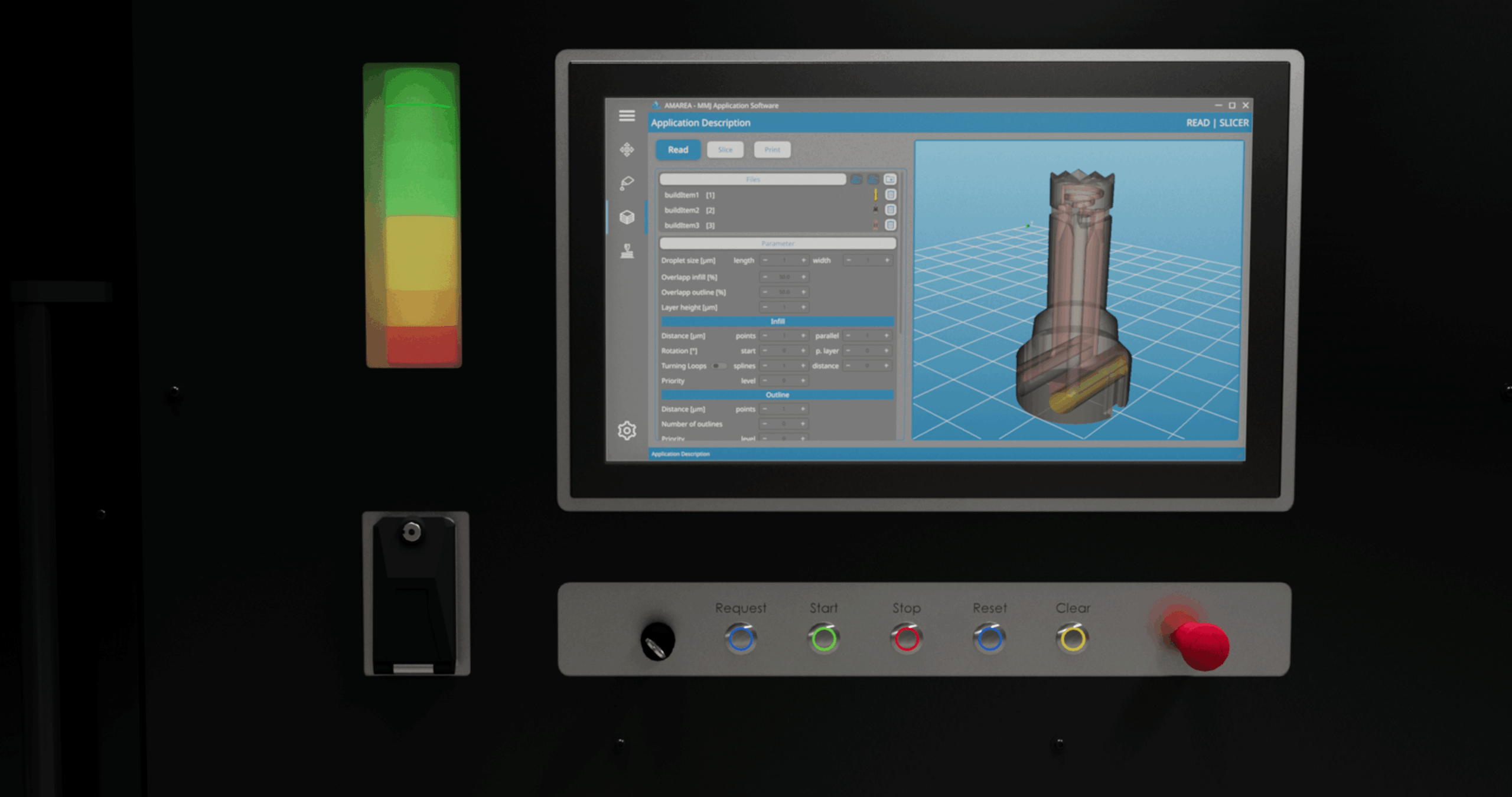
Large 24“ multi-touch display for effortless software control.
+
Software on board for all machine functions, from parametrization to slicing, 3D printing, analysis, and more.
Optical Quality Assurance
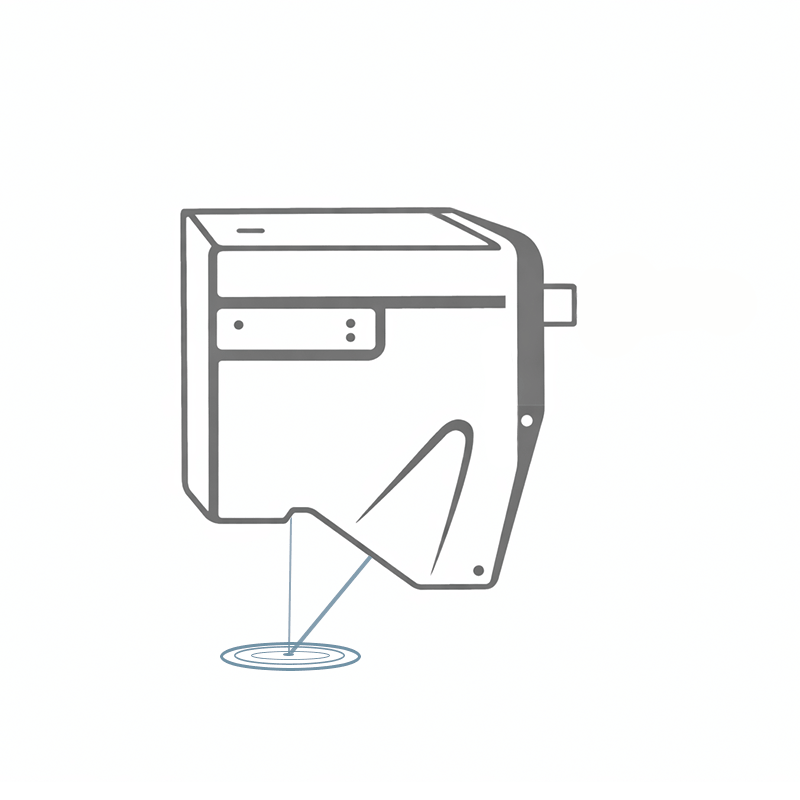
High-precision laser-based sensor captures 3D surface profiles of deposited materials.
+
Inline monitoring of droplet and layer characteristics, enabling non-destructive testing (NDT), documentation, and optimization.
Air Preparation System
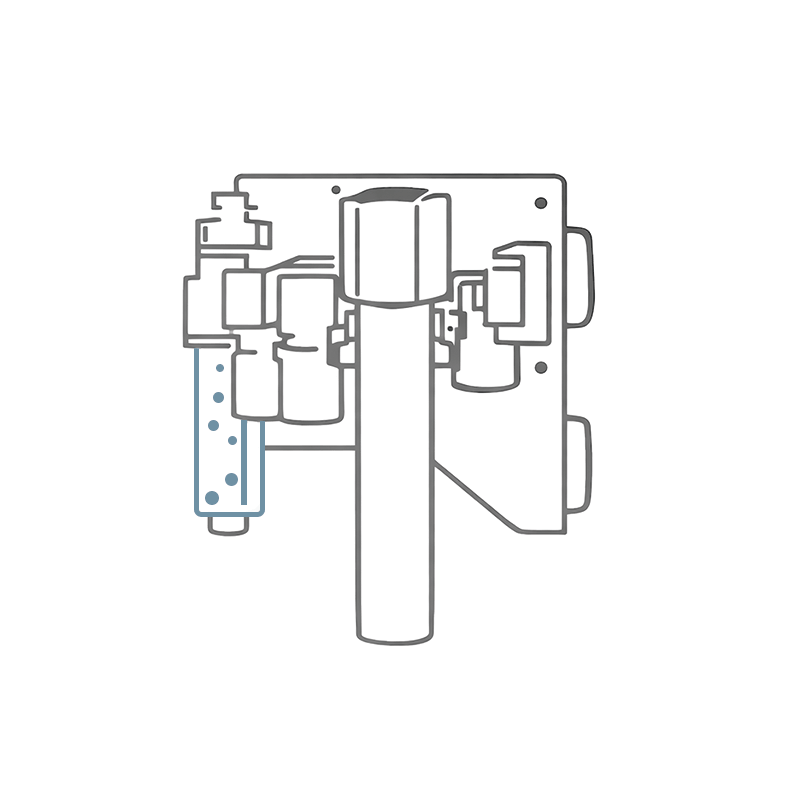
Compressed air unit ensures consistent air quality for effortless 3D printing.
+
For independency of local air pressure supply conditions.
Subtraction Modul
Pulsed high-precision fiber laser enables optimized MMJ-inline surface processing.
+
Powerful upgrade from surface ablation to smoothing to structuring at very high resolution.
.3MF File Standard

ISO/IEC 25422 defines the 3MF file format for additive manufacturing.
+
Reliable mono- and multi-material data exchange from leading CAD systems, including SOLIDWORKS, Fusion 360, and CATIA.
Open Parametrization
MMJ ProX Series architecture is built for fully open material parametrization.
+
Unlocked for research, it enables custom material innovation and production transfer.
Modular System Configuration
Additive Moduls
Your business. Your choice. Up to six print heads per system, configurable at installation or through later upgrades.
Hybridization
A powerful laser module for inline surface ablation, smoothing, and structuring - designed for maximum part quality.
Subtractive joins Additive – available as an optional add-on or retrofit module.
Integrated hybrid laser processing within the MMJ printing process enables in-line surface smoothing and precision structuring, reducing roughness and enhancing functional performance on advanced materials.
Software Control
End-to-end machine control - from 3D printing parametrization and slicing to droplet analysis and surface subtraction control.
Full software control through the integrated 24″ multi-touch display.
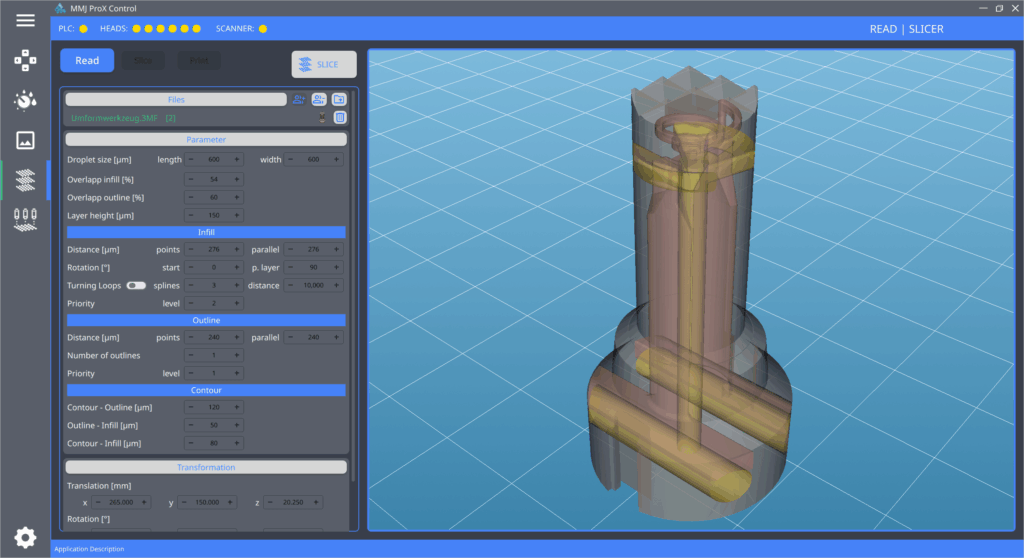
Fully compliant with ISO/IEC 25422 (3MF), the MMJ ProX Series guarantees reliable additive manufacturing workflows. Its open architecture allows unrestricted material parametrization and precise process control.
Typical System Configurations
From the MMJ ProX3 Series with three print heads for multi-material entry to the fully equipped MMJ ProX6L with six print heads and subtractive module for maximum precision and flexibility.
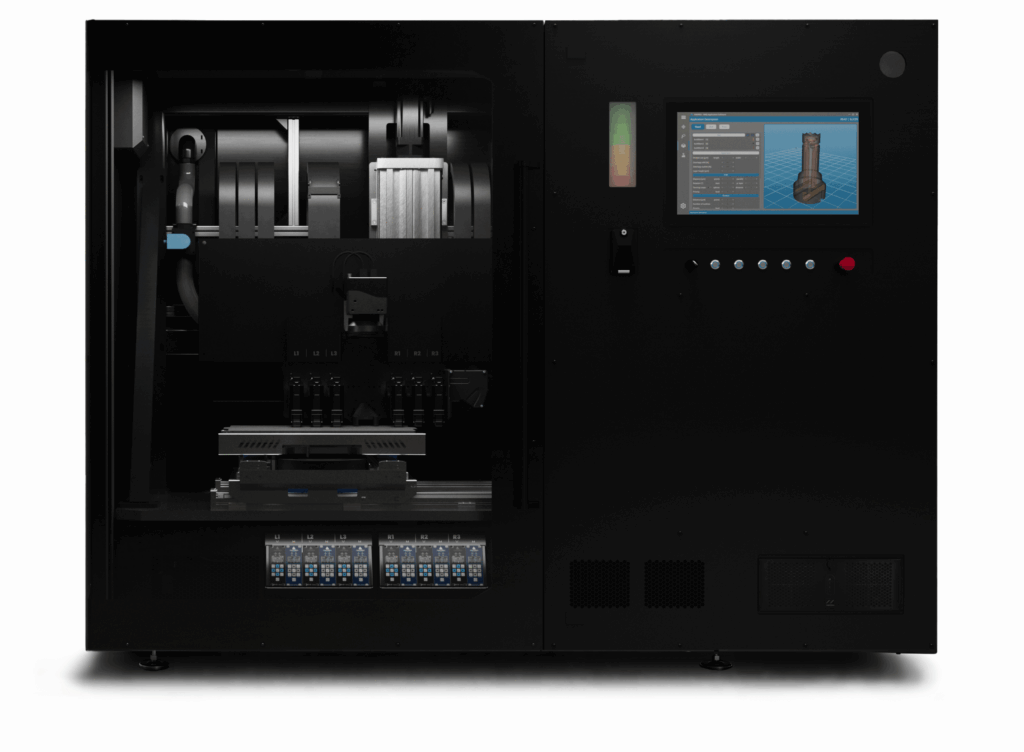
MMJ ProX3 | Entry-Level Multi-Material Additive Manufacturing
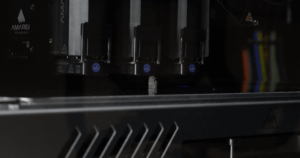
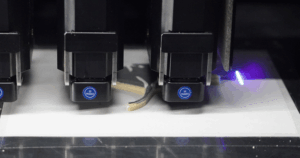
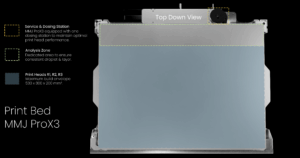
The MMJ ProX3 is an ideal entry point into industrial multi-material 3D printing.
The system is configured with three print heads: two for functional materials that can be combined within a single build, and one dedicated to support structures, enabling complex geometries, overhangs, internal channels, and enclosed features.
Equipped as standard with an integrated software platform, droplet analysis scanning system, service station, and a replaceable, heated print bed, the MMJ ProX3 ensures stable and repeatable process conditions. The full build volume of 530 × 300 × 200 mm is available for part production, maximizing material efficiency and design freedom.
Its modular architecture allows future expansion, including additional print heads and an optional laser module, making the MMJ ProX3 a scalable solution for growing multi-material manufacturing needs.
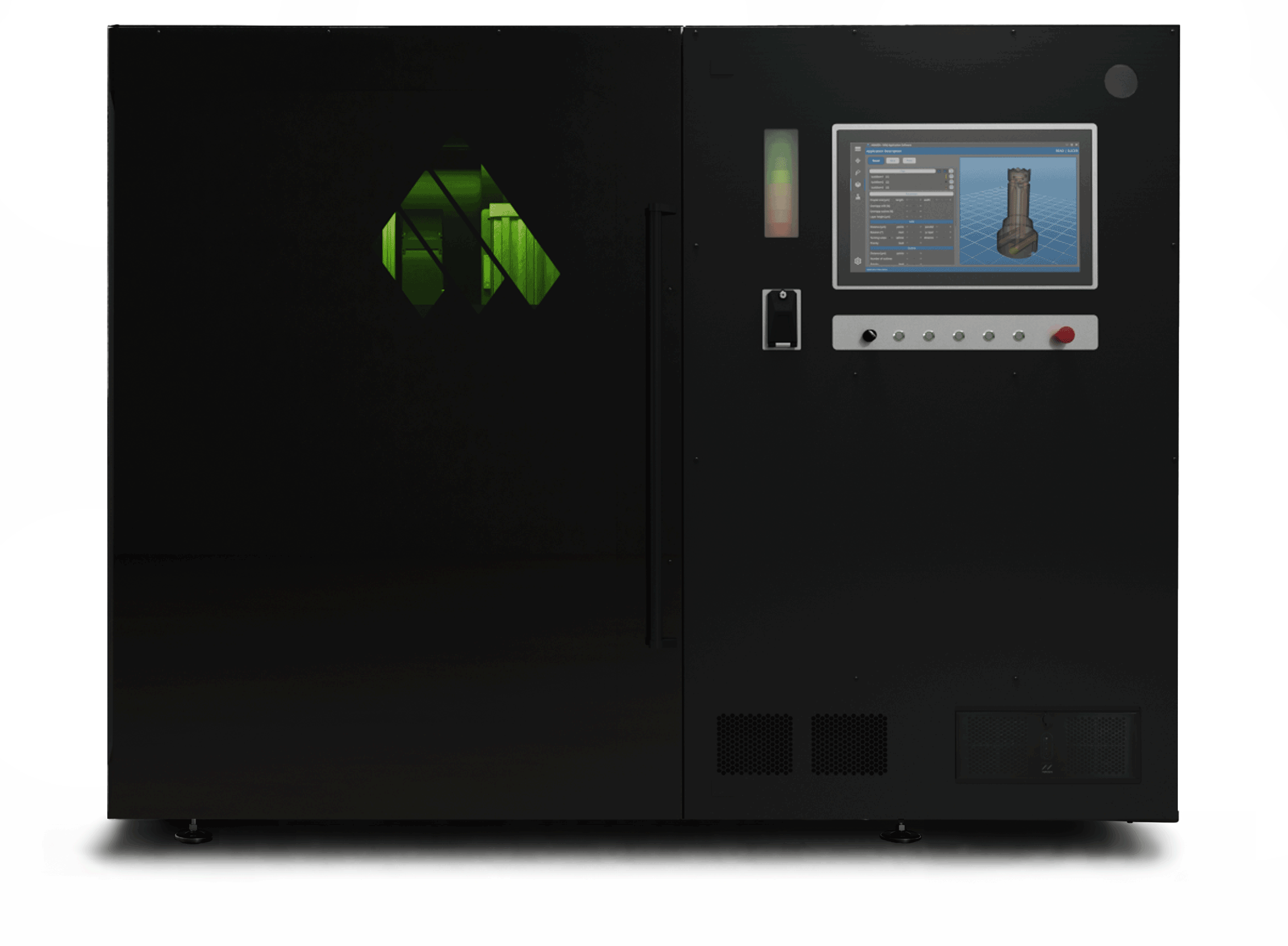
MMJ ProX6L | Advanced Multi-Material Additive Manufacturing
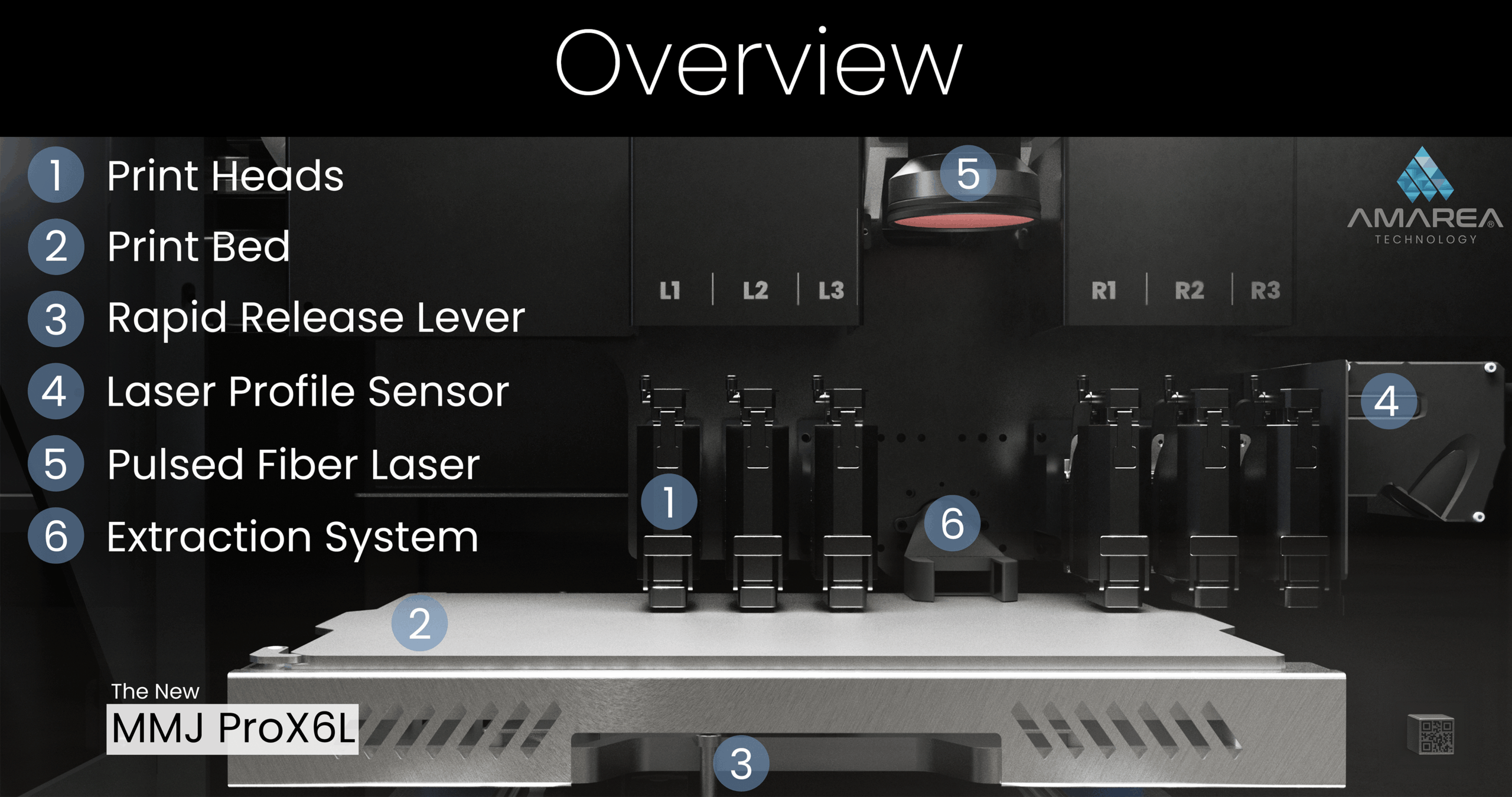
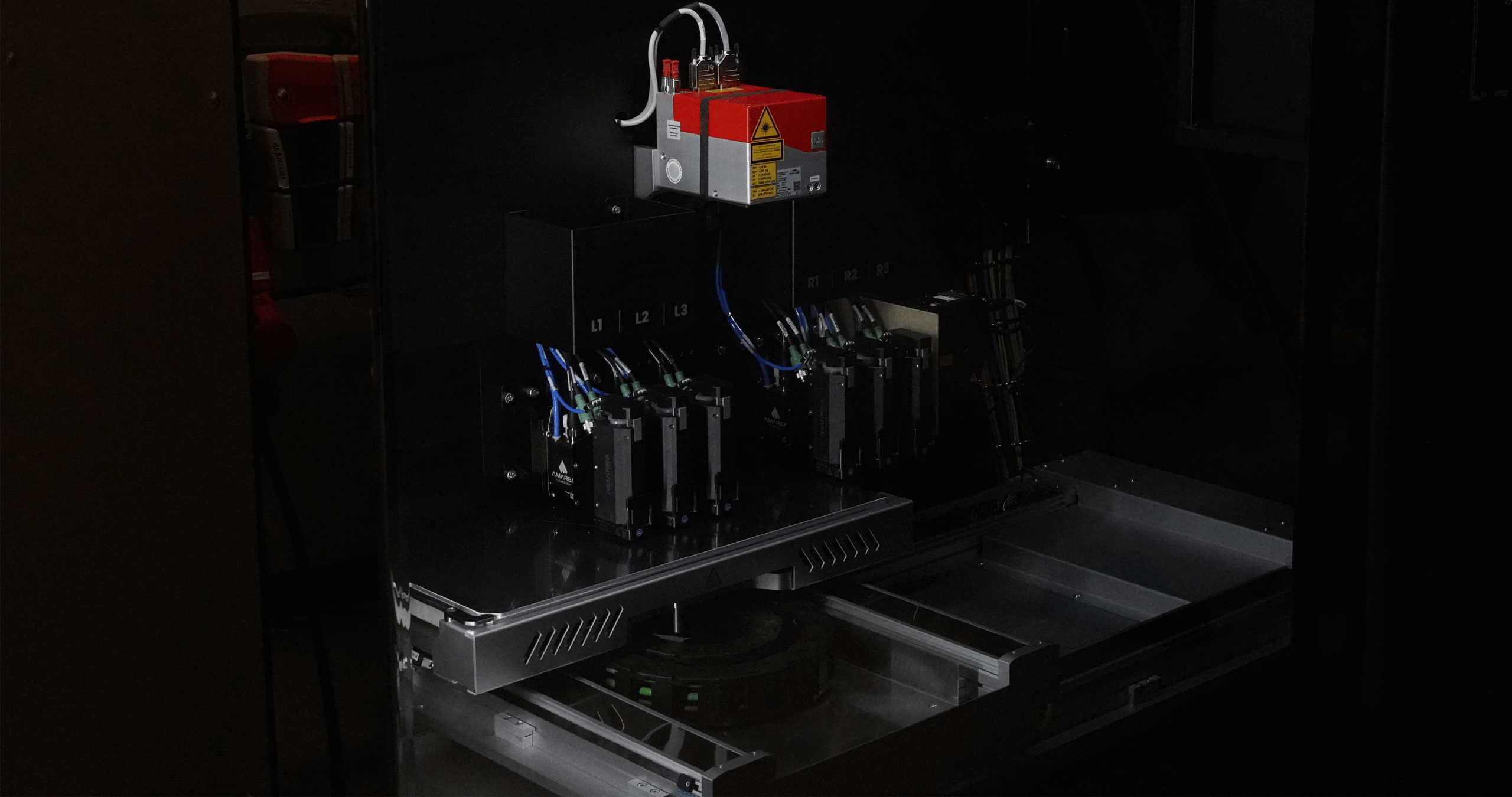
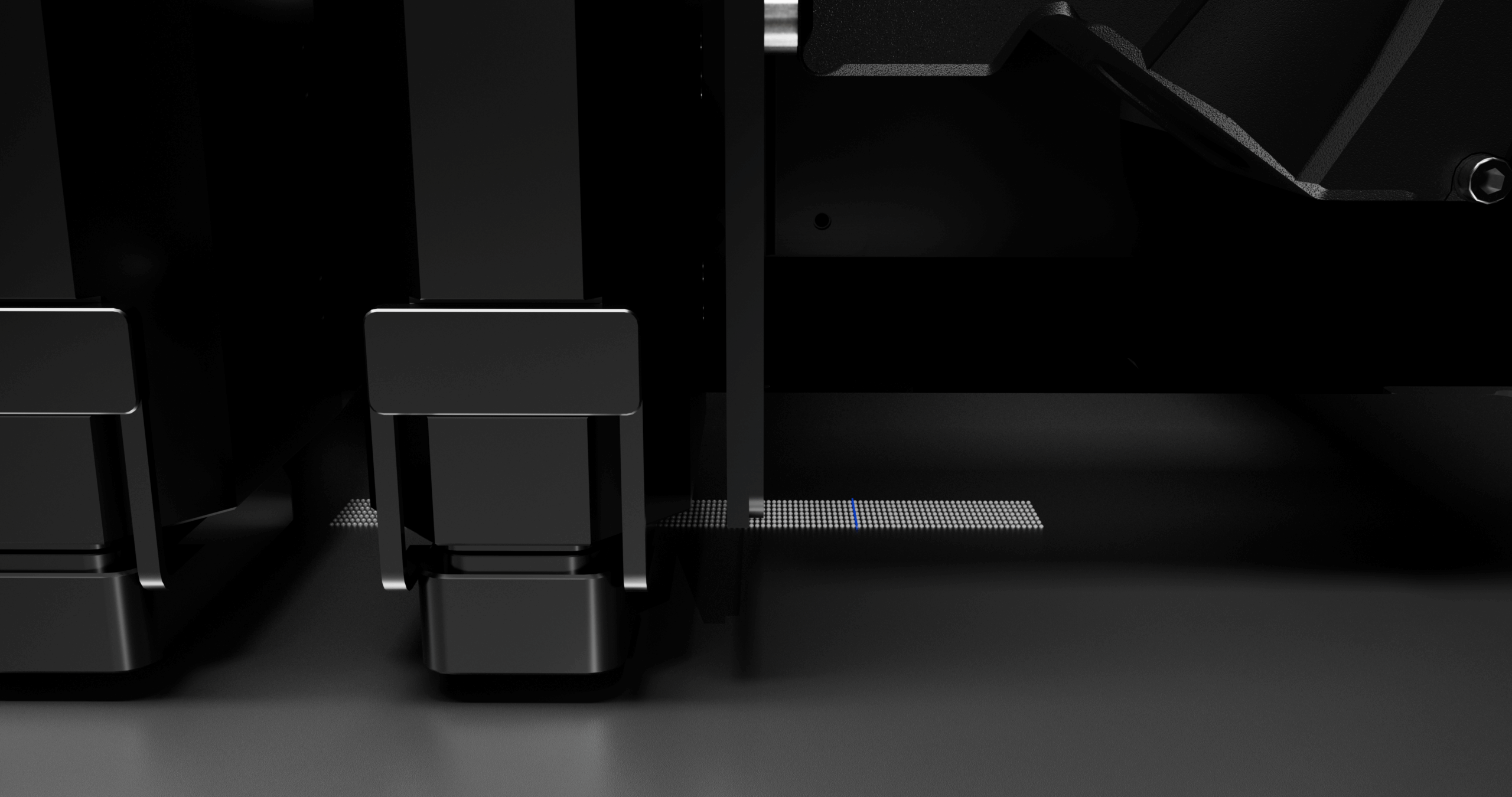
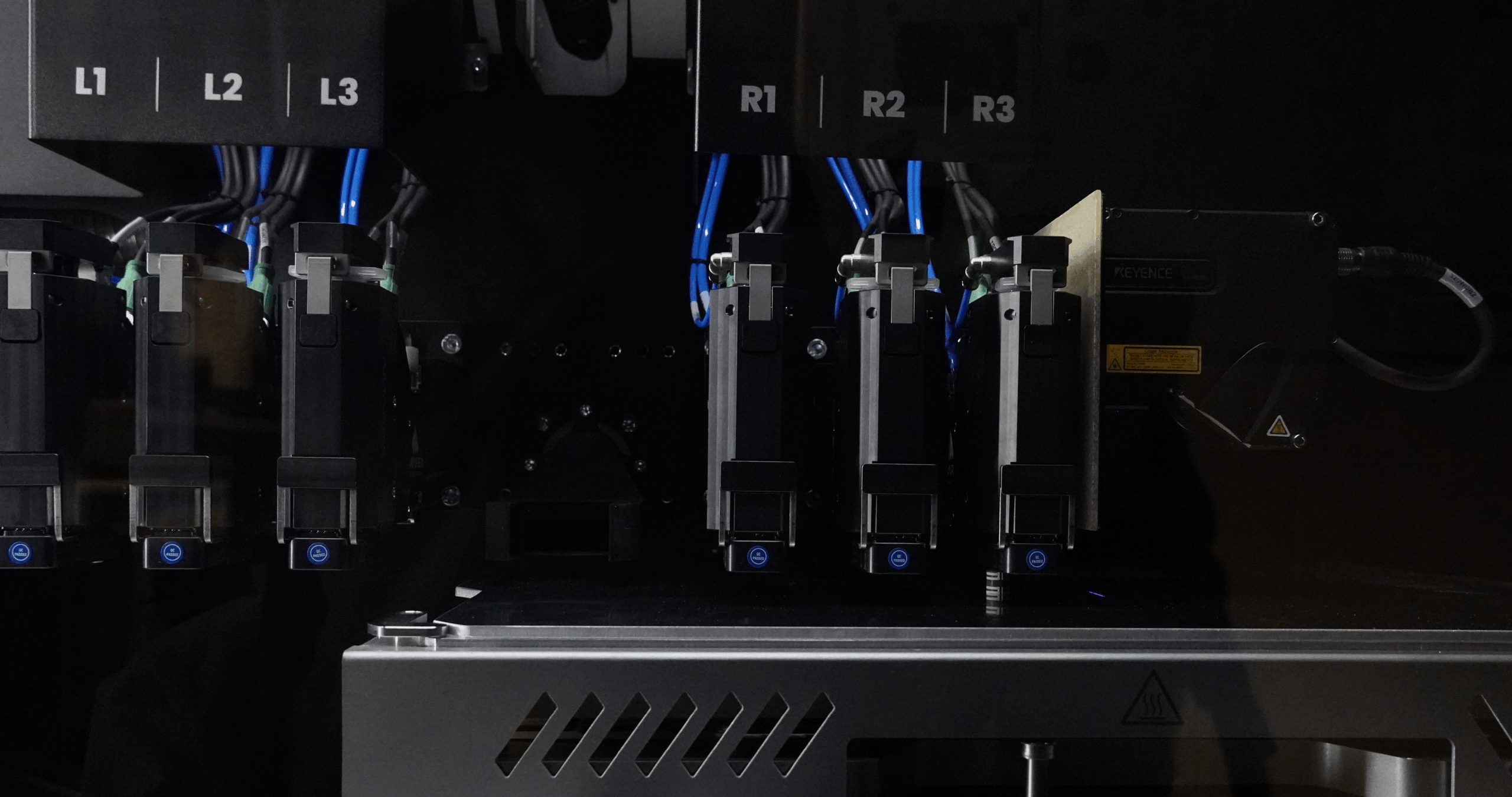
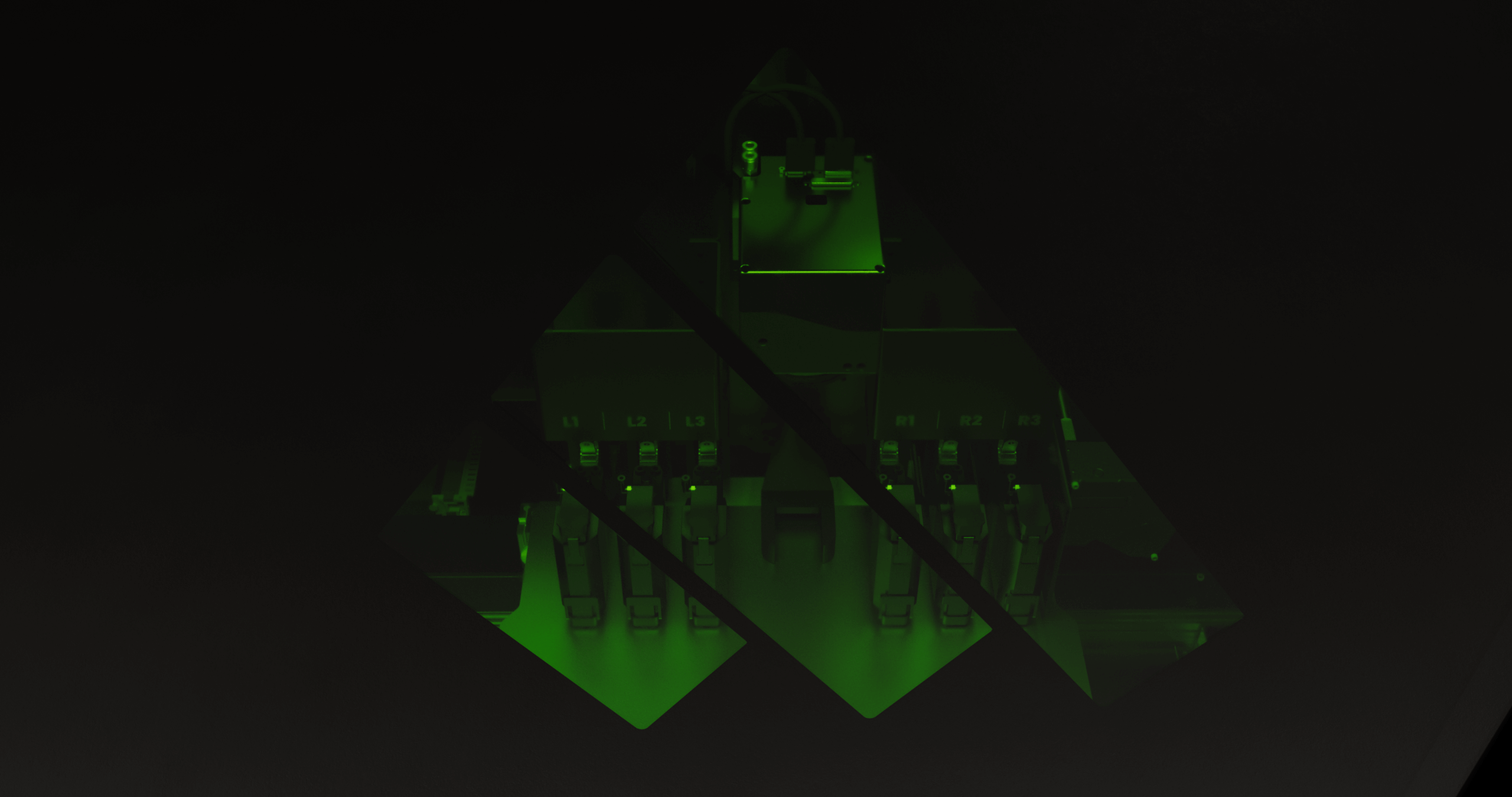
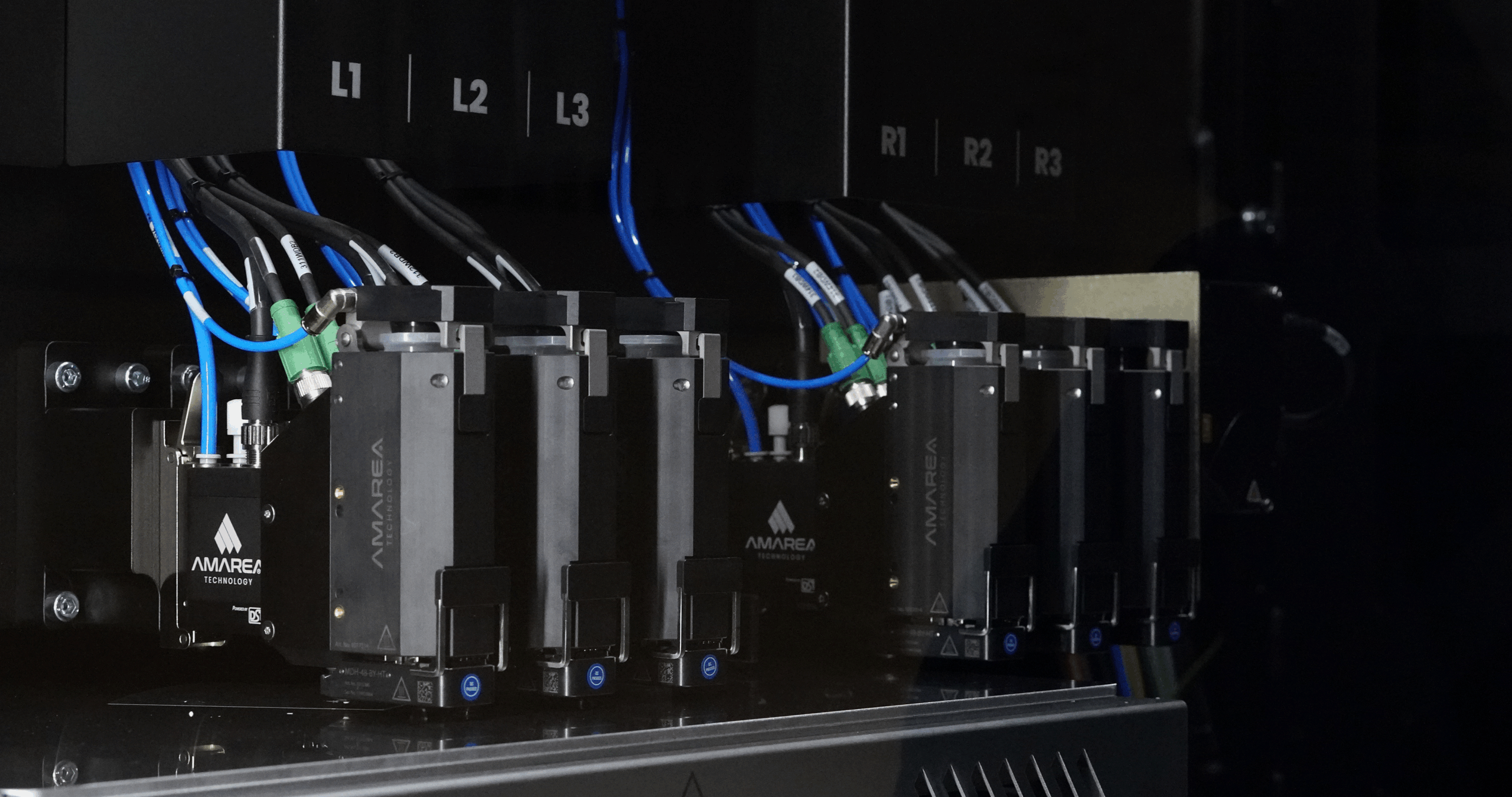
"L" is for Laser - the MMJ ProX6L represents the next level of industrial multi-material additive manufacturing, building on the modular MMJ ProX platform with extended functionality and maximum process freedom.
The system is equipped with six print heads, enabling the combination of multiple functional materials, graded material transitions, and highly complex part designs within a single build.
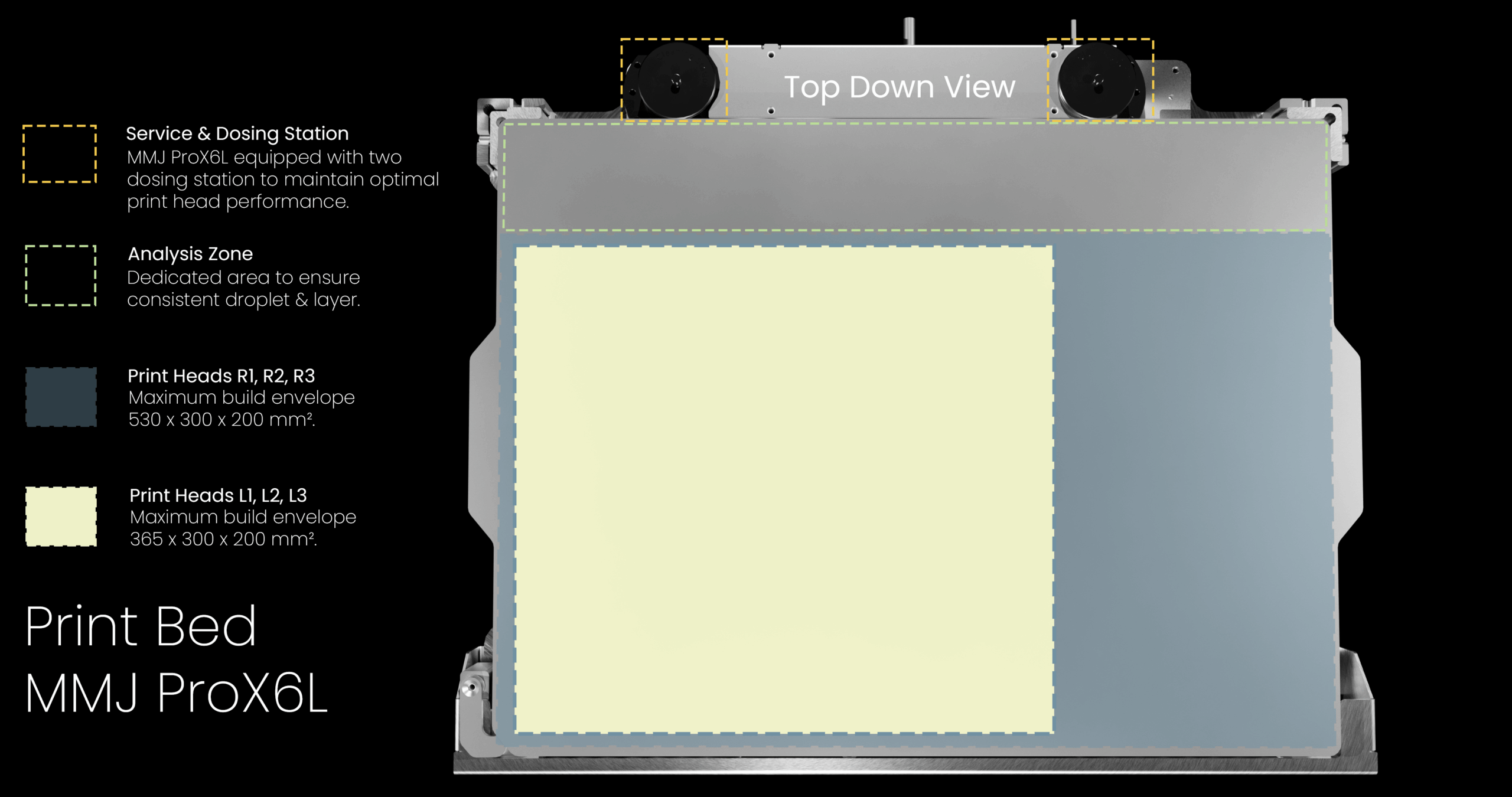
An integrated laser module with an internal laser safety enclosure, combined with an integrated extraction interface and an external filtration unit, expands the process spectrum, enabling advanced material processing and hybrid manufacturing workflows. Two independent service stations ensure efficient print head maintenance and high system availability, even during complex multi-material builds.
Standard features include the central software platform for inline subtractive manufacturing, a droplet analysis scanning system, and a replaceable, heated print bed. The system offers a maximum build volume of 530 × 300 × 200 mm when operating with up to three print heads, while six-print-head configurations provide a reduced build width of 365 mm, ensuring optimal process stability and material flexibility across different production scenarios
Designed for scalability, the MMJ ProX6L offers unmatched flexibility for research, development, and industrial production of advanced multi-material components.
Curious whether this could work for you?